

 By BSOL Editor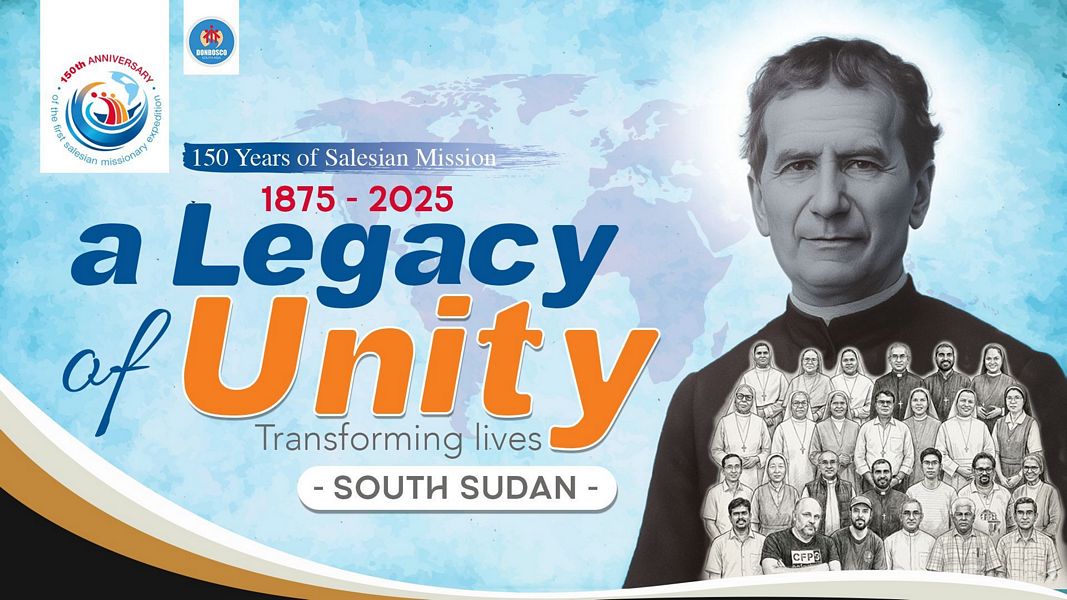
Reading time: 5 min.
In an age where young people communicate through images, videos, social media platforms, and instant messaging, it has never been more urgent to speak the language of the young. This is not just a technological shift; it is a cultural transformation. As Don Bosco’s vision of reaching the young with the Gospel continues to resonate today, the Salesian mission is now told in the digital language—through the powerful medium of documentary film and digital platforms, bringing the message of faith and service into the hands and hearts of the young.
In 2025, the Salesian Family celebrates 150 years of missionary presence, beginning with the first expedition sent by Saint John Bosco in 1875. Don Bosco, driven by the Great Commission of Christ – “Go into the whole world and proclaim the Gospel” (Mk 16:15) – understood instinctively that mission must speak the language of those to whom it is addressed. In his own time, this meant oratories, schools, playgrounds, and workshops. Today, it means entering the Digital Areopagus, where young people gather, converse, and seek meaning in an ever-connected world.
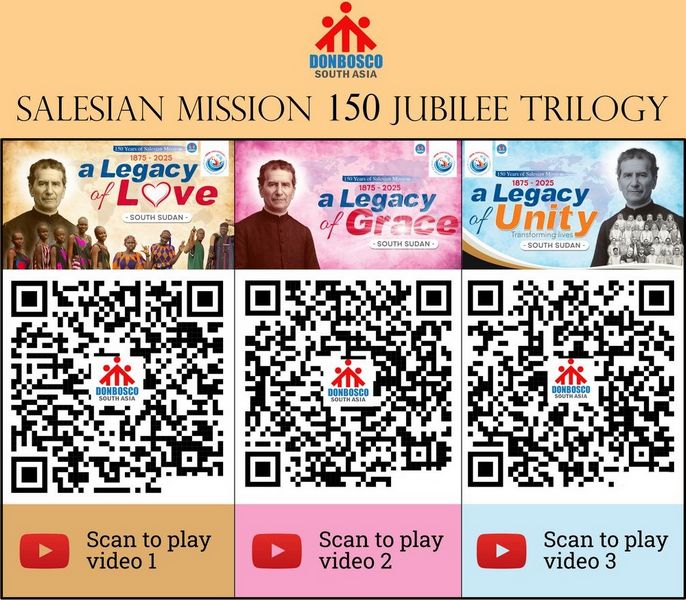
The Digital Oratory has become the new frontier of Salesian mission—a place where the Gospel is shared, not through lectures or distant proclamations, but through the lived stories of real missionary heroes. The jubilee documentary trilogy: Legacy of Love, Legacy of Grace, and Legacy of Unity is a clear expression of this vision. Through cinematic storytelling, these films take the viewer on a journey to some of the most challenging and underserved regions of the world, showing the human face of mission today, told in a way that resonates with the digital generation.
The Power of Documentary Cinema in Mission
Documentary films hold a unique power in today’s digital enhanced world, especially among younger audiences who are inundated with information. Unlike other forms of media, documentaries allow for authentic encounter and real-life testimony. They invite contemplation, rather than offering immediate conclusions. For young people who often crave truth over spectacle, real-life stories of faith, struggle, and hope provide a deeper connection to the message of the Gospel.
The trilogy, filmed largely in South Sudan, presents the lived reality of Salesian missionaries who serve on the frontlines of some of the world’s most volatile regions. In a context marked by prolonged civil war, ethnic violence, famine, and displacement, missionaries from the Salesians of Don Bosco (SDB), Daughters of Mary Help of Christians (FMA), Missionary Sisters of Mary Help of Christians (MSMHC), Visitation Sisters of Don Bosco (VSDB), Caritas Sisters of Jesus (Japan), and lay collaborators become real-life heroes of faith – offering a living theology that reflects God’s compassion and presence in the most difficult of circumstances.
These missionaries share their stories of sacrifice, fear, and grace: the hours spent praying in captivity with only the Rosary for company, moments of Eucharistic faith amid bombing raids, the vulnerability and doubt that accompany long periods of displacement, and the quiet joy of witnessing a child smile again, or a young person embrace their vocation in the midst of suffering. These stories of real people in mission offer a powerful invitation to young viewers to see how faith is lived out today.
Theological Reflection Through Film: A Journey of Faith
Throughout the trilogy, a Salesian missionary theology emerges in a language that speaks to the heart of today’s youth. Through the lived experiences of the missionaries, the films reflect key theological themes:
– Legacy of Love presents charity (agape) as the foundation of the Salesian vocation. Love becomes concrete through education, evangelisation, and service, echoing Don Bosco’s vision that “it is enough that you are young for me to love you.” The film shows how love transforms suffering and brings hope to the most marginalised.
– Legacy of Grace centres on grace as God’s sustaining power in human weakness (cf. 2 Cor 12:9). It is through the Eucharist, Marian devotion, and daily prayer that the missionaries find strength to persevere in the face of immense hardship. This theme speaks directly to young people who often find themselves exhausted or struggling, offering a vision of grace as the source of true resilience.
– Legacy of Unity completes the theological reflection by presenting the concept of communion and collaboration in mission. Drawing from the image of the Body of Christ (1 Cor 12), the film shows how the diverse charisms of Salesian Family members and lay collaborators come together to form a unified mission. This synodal approach, where the gifts of many work together toward a single goal, reflects the call for a Church that walks together – echoing Pope Francis’ vision of a Church on the peripheries, ushering in Hope that is the focus of the Jubilee year.
The Digital World: The New Missionary Frontier
Don Bosco’s vision of a worldwide missionary movement continues in the digital era. The Digital Areopagus – the new public square where young people gather – is where the Salesian mission must now be proclaimed. The trilogy does just that: it brings the lived realities of mission in South Sudan to the screens of young people across the world, inviting them to reflect on their own mission in life, and to consider how they can live the Gospel in their own context.
In today’s world, where the young are not just the receivers of the Gospel but the agents of change, these films do not simply ask them to watch; they invite them to respond, to discern their own vocation, and to understand the deeper theological truths at play in the lived experiences of missionaries.
This missionary vision is communicated through the careful work of Fr. Biju Michael, SDB, Regional Councillor for South Asia, who scripted and directed the trilogy. Fr. Biju is not only a seasoned missionary leader but also an award-winning filmmaker, whose documentaries have been recognized at international festivals. His work here is characterized by a unique style that allows the voices of missionaries to take centre stage. His previous documentary The Pool of Siloam won a Jury Prize at the Magnificat International Catholic Film Festival in Belarus, while Thun Hu was an official selection at the Asiatica Film Mediale in Rome. Through his directorial approach, this trilogy, as also the Director’s other films, gives voice to those who live mission in the world’s peripheries, allowing their stories to speak more powerfully than any theory.
The trilogy’s post-production at DBICA, Chennai ensures that the films meet international cinematic standards while remaining deeply faithful to the Gospel and Salesian spirituality. The post-production team was led by Fr Ernest Rosario, Fr Joseph Poruthur and Fr Britto Francis.
Watch, Share, and Join the Mission
All three episodes (first two are 30–40 minutes each and the third is 20 minutes) are available on YouTube, with English subtitles and auto-translations in multiple languages, making them accessible to young people across cultures and continents:
– Legacy of Love: https://www.youtube.com/watch?v=6K8KjStjRvg
– Legacy of Grace: https://www.youtube.com/watch?v=k9VGqIbvUNg
– Legacy of Unity: https://www.youtube.com/watch?v=RT8-88F_Cko
As the Salesian Family celebrates 150 years of missionary fidelity, this digital jubilee trilogy stands as both a reflection on the past and a call to the future. It honours the legacy of those who have given their lives in mission, while challenging young people to consider their role in the ongoing mission of the Church today. It is hoped that this digital documentary will inspire new hearts for mission, deepen communion within the Salesian Family, and renew Don Bosco’s passion for the young in the world of today.